
Reliable Septic System Service in Raleigh, NC
Holland Septic Services provides reliable septic system service for homes in Raleigh, NC. The outer communities of Wake County — from North Raleigh's acreage neighborhoods to the rural corridors along Old Stage Road and Lake Wheeler Road — depend on septic systems that city utilities never reached. As a top-rated septic system service in Wake County, we bring NC-certified inspections and Grade IV installation expertise to every job.
Call (984) 220-3486 or click below to request service.
Holland Septic Services provides
septic tank installation,
NC-certified septic inspections,
septic tank maintenance,
septic repairs, and
drain line jetting to homeowners throughout the Raleigh area.
Why Raleigh, NC Trusts Holland Septic
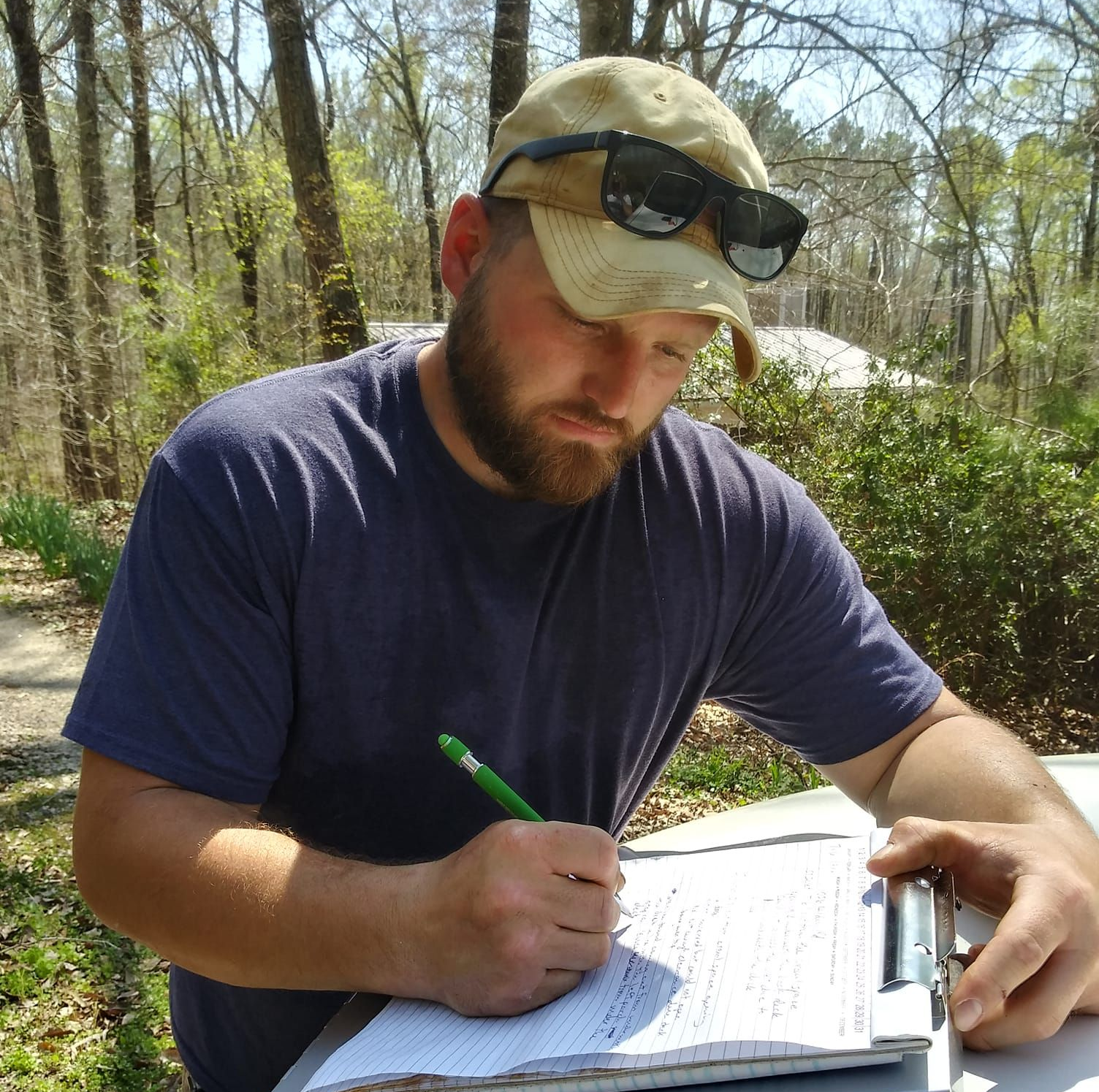
Raleigh's outer neighborhoods sit on slow-draining Piedmont red clay that puts more stress on a septic system than most soils. Stephen Holland has spent 15+ years working across Wake County's soil conditions, and his dual credentials mean he can assess, permit, and repair under one roof, no handoffs, no delays.
- NC Grade IV Installer — the highest-level installation certification awarded in North Carolina
- NC-Licensed Septic Inspector and SS Wastewater System Operator
- 15+ years of experience across Wake County's challenging Piedmont clay soil conditions
- One contractor from inspection to installation to repair — no referrals to a second company
Septic Tank Installation
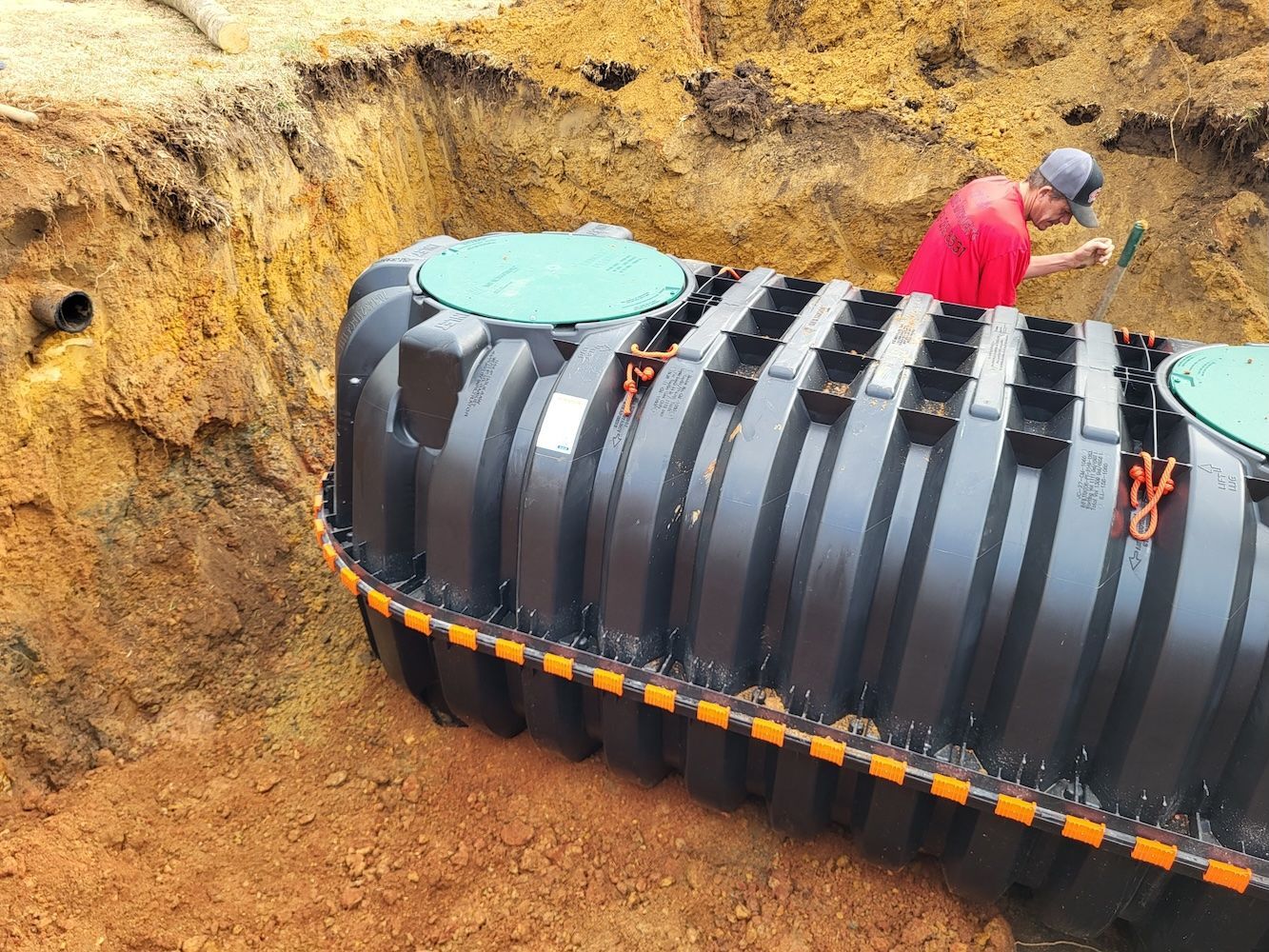
North Raleigh's growth has pushed development onto large acreage lots where municipal sewer isn't an option. Wake County's Piedmont clay soils are among the slowest-draining in the state, which means new installations often require engineered solutions rather than standard gravity systems — and a contractor who understands why.
Holland Septic Services handles the full installation process: site evaluation, permit coordination with Wake County Environmental Health, system design, and installation — with a Grade IV Installer on every job. Whether you're building on a new lot off Bayleaf Church Road or replacing a failing system in an older outer Raleigh neighborhood, you get an installation built to perform in Wake County soil.
NC-Certified Septic Inspections
In Raleigh's active real estate market, a home on private septic doesn't fit neatly into a standard closing timeline. Wake County issues septic permits only in unincorporated areas outside city limits, and outer Raleigh neighborhoods like Bay Leaf Farm, Avalaire, and the Falls of Neuse corridor each have their own soil and system histories that require a trained eye.
Holland Septic Services provides NC-certified inspections that give buyers, sellers, and agents a clear, defensible report — and the ability to handle any follow-up repairs without sending you to a second contractor. For properties along Six Forks Road, Old Stage Road, or the rural corridors of South Raleigh, that one-stop capability shortens the path to closing.
Septic Tank Maintenance
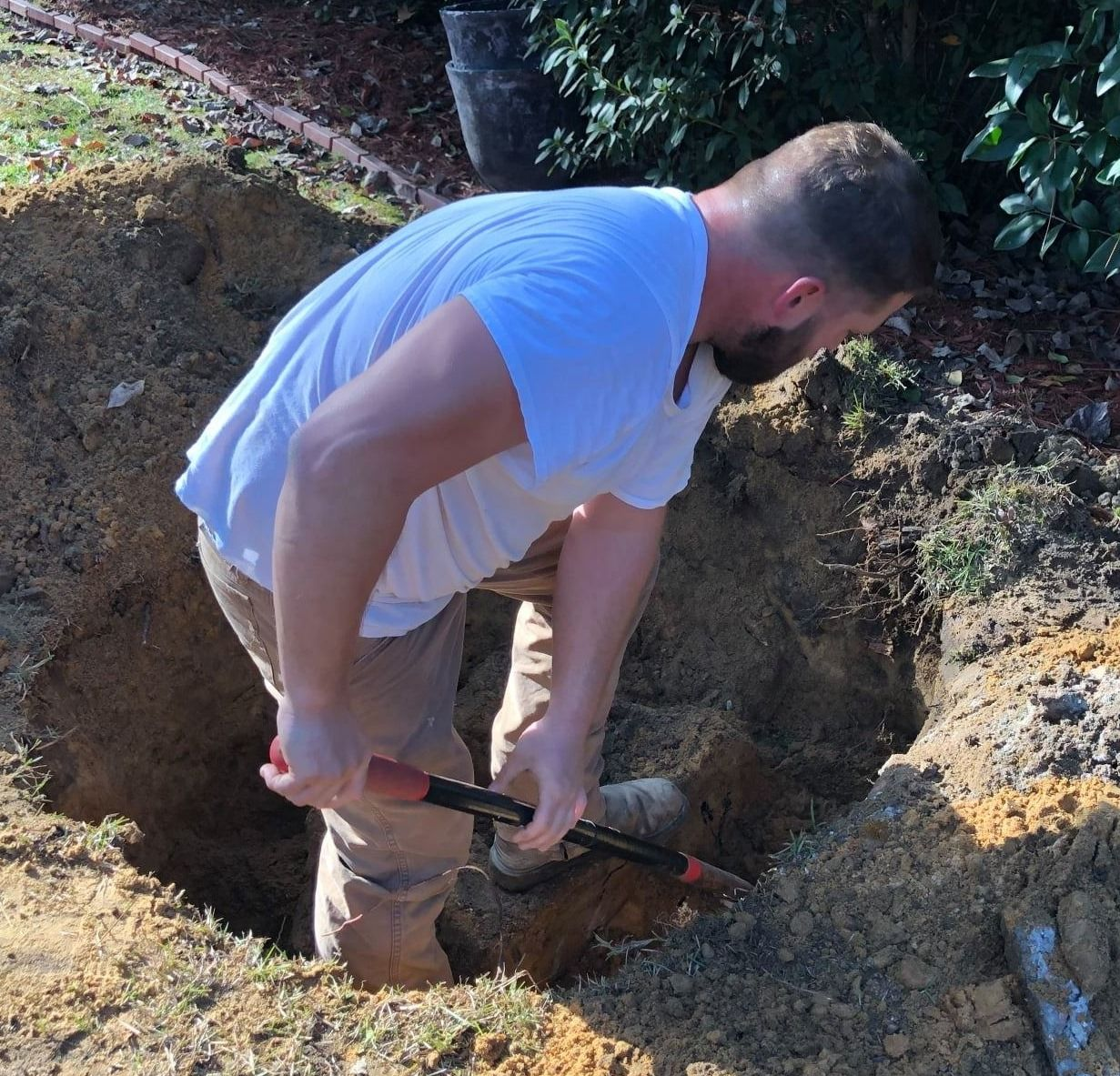
Wake County's Piedmont red clay soils — classified as Soil Groups III and IV — create conditions that stress septic systems more than most. Systems in outer Raleigh's acreage neighborhoods are working harder than their counterparts in sandier soils, and regular maintenance is the most reliable way to stay ahead of problems before they become emergencies.
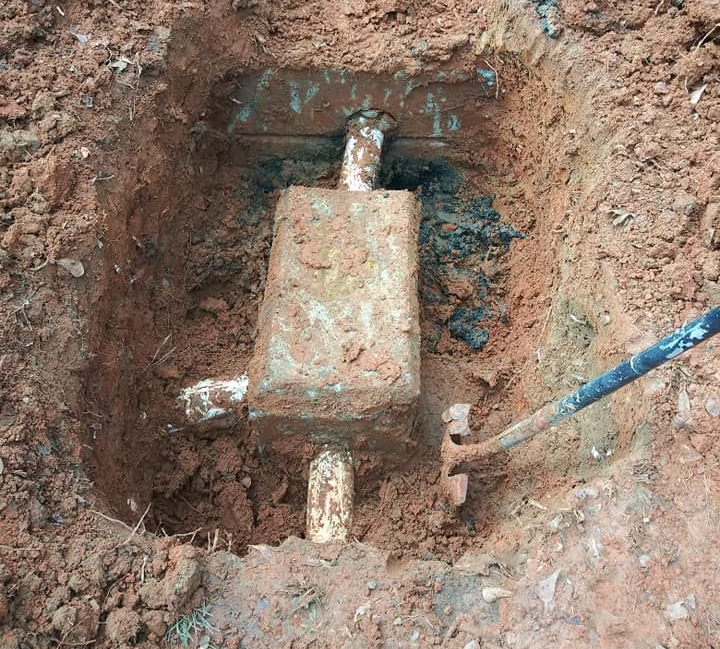
Holland Septic Services provides professional maintenance assessments that evaluate the full system: tank condition, distribution box function, and drain field performance. For homeowners in Bay Leaf Farm, Old Stage Estates, or the Mial Plantation area, a routine assessment by a Grade IV Installer keeps the system running efficiently and protects one of the most significant investments on the property.
Septic Tank Repair
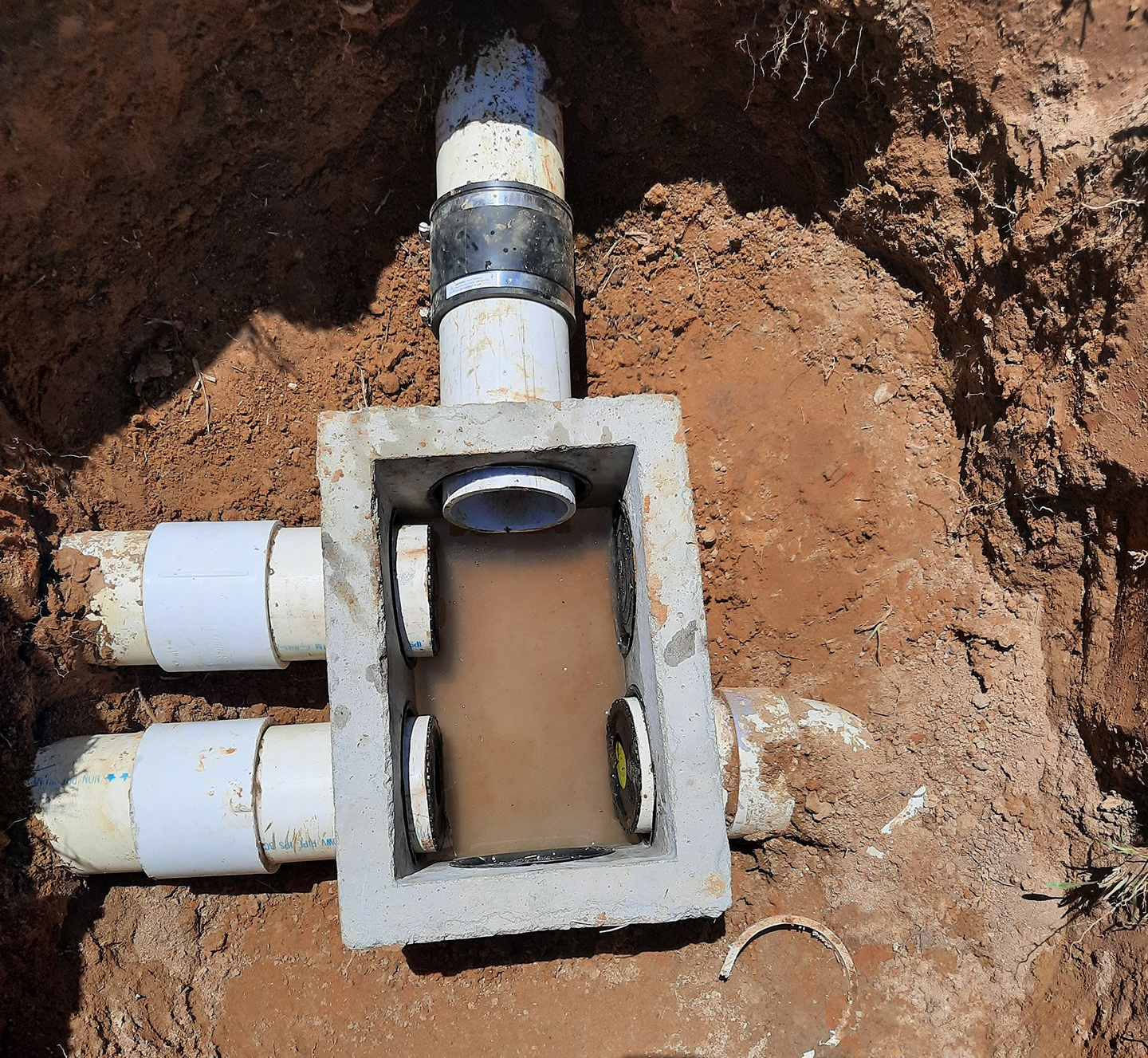
Older acreage neighborhoods in outer Raleigh often have aging systems installed before modern soil standards applied. Distribution boxes crack, pumps fail, and drain lines back up — often with little warning and at the worst possible time.
Holland Septic Services diagnoses and repairs the full range of septic system failures: distribution box replacements, pump and panel replacements, tank replacements, and drain line repairs. With a Grade IV Installer on every job and service across Wake County, Raleigh homeowners in septic-dependent neighborhoods get repairs that address the actual problem, not just the visible symptom.
Drain Line Jetting
North Raleigh's acreage neighborhoods are defined by mature tree canopies along properties that have been developed for decades. Bay Leaf Farm, Avalaire, and the Falls of Neuse corridor all have the combination of large lots, established plantings, and long drain line runs that make root intrusion a near-inevitable problem over time.
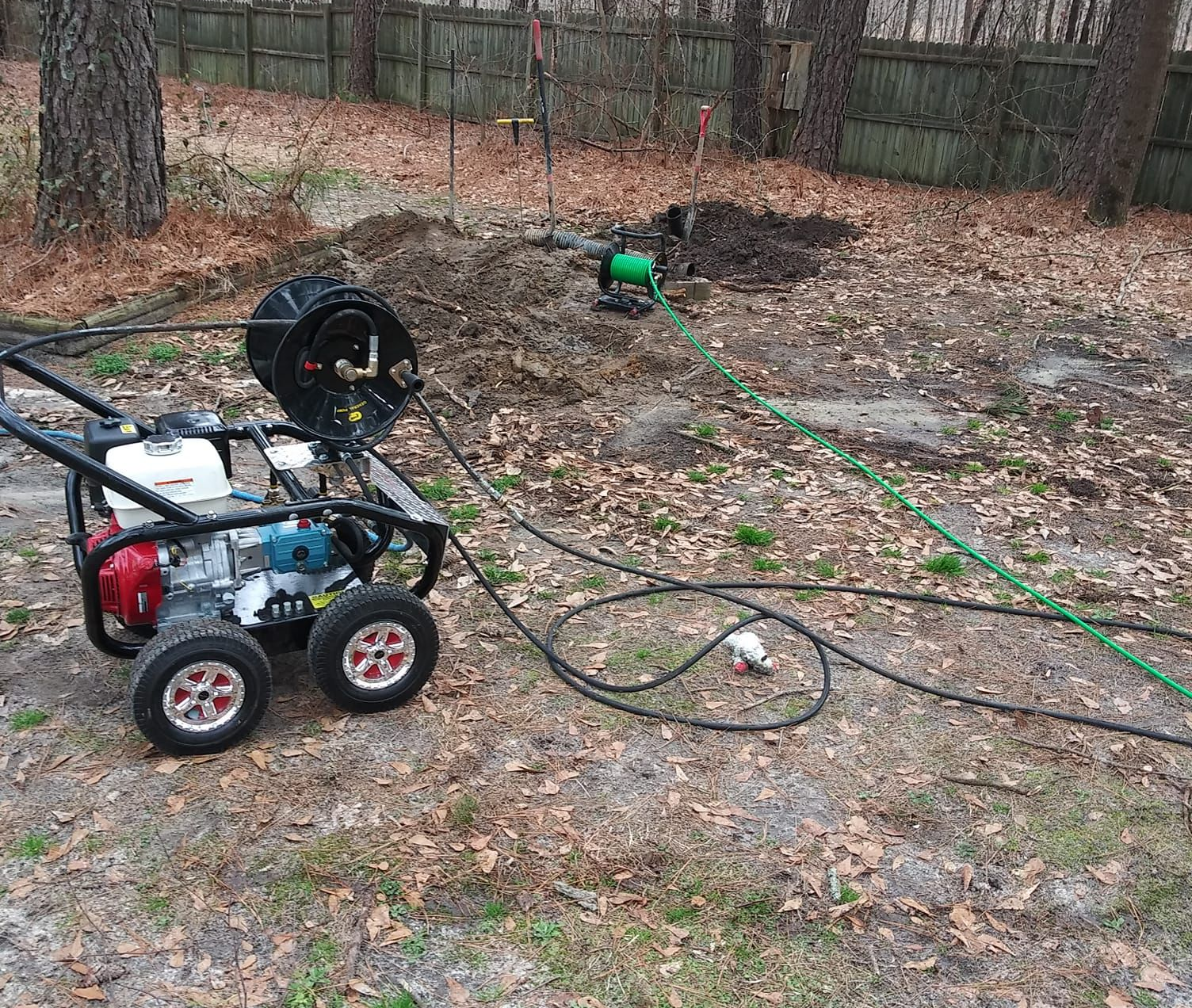
Holland Septic Services uses high-pressure jetting to clear blockages completely — roots, grease, sediment, and debris — without the cost and disruption of excavation. For homeowners along Six Forks Road or the rural corridors of South Raleigh, jetting is one of the most cost-effective ways to restore drain line performance and extend system life before a full replacement becomes necessary.
Raleigh's Rich History
Raleigh was created by act of the North Carolina General Assembly in 1792 as a planned capital city — one of the few in the United States designed specifically as a seat of government before a single building stood there. Surveyor William Christmas laid out the original 400-acre plan around Union Square, and the General Assembly convened there for the first time in December 1794. The city was named for Sir Walter Raleigh, sponsor of the 1580s Roanoke voyages, and received its formal city charter in January 1795.
For two centuries Raleigh grew steadily around its government and academic institutions. The arrival of Research Triangle Park in the 1960s accelerated growth across the region, and today's outer Raleigh — from the large-lot neighborhoods north of Falls Lake to the rural corridors south along Old Stage and Lake Wheeler Roads — retains the rural character that drew families here long before the city expanded around them.
Neighborhoods and Streets
Raleigh's outer areas offer a range of large-lot and rural-residential communities that sit beyond the city's utility reach.
- Bay Leaf Farm and Avalaire are acreage communities off Six Forks Road and Durant Road near Falls Lake, where custom homes on one-acre-plus lots rely on private well and septic systems
- Falls of Neuse corridor follows Falls Lake Dam and the start of the Neuse River Greenway, with larger-lot subdivisions along Possum Track Road, Fonville Road, and Falls of Neuse Road
- South Raleigh rural corridors run along Old Stage Road, Lake Wheeler Road, Ten Ten Road, and Fanny Brown Road — neighborhoods where well-and-septic acreage lots remain the norm
- Southeast Raleigh and Mial Plantation extend along Battle Bridge Road, Poole Road, and Mial Plantation Road into areas that blend suburban development with historic rural land use
Community and Lifestyle
Raleigh's outer communities attract residents who want proximity to the Triangle's job market without giving up space and privacy. The Neuse River Greenway stretches more than 27 miles from Falls Lake southeast through the city, connecting parks and natural areas that run through North and East Raleigh neighborhoods alike.
Falls Lake State Recreation Area offers more than 26,000 acres of protected land for fishing, hiking, swimming, and boating — a backyard amenity that draws families to the Bayleaf and Falls of Neuse corridors year-round. Wake County Public Schools serves the outer neighborhoods, and the district consistently ranks among the highest-performing in North Carolina.

Getting Around Raleigh
- I-440 (the Beltline) encircles central Raleigh and provides access to downtown, I-40, and major commercial corridors for residents in the inner suburban ring
- I-540 (the Triangle Expressway) runs through northern and eastern Wake County, connecting outer Raleigh neighborhoods to Research Triangle Park, Durham, and the I-95 corridor
- Capital Boulevard (US 1), Falls of Neuse Road, and Six Forks Road are the primary north-south arterials serving North Raleigh's larger-lot, septic-dependent communities
- Old Stage Road, Lake Wheeler Road, and Ten Ten Road connect South Raleigh's rural corridors to US 401 and Garner, with Raleigh-Durham International Airport roughly 20 minutes from most outer neighborhoods